Posted on

Understanding the Kava Culture of Fiji

Kava In Fiji - Colorado Springs

The traditional Polynesian drink known as kava is thought to have originated either in Papua New Guinea or the Vanuatu archipelago over three thousand years ago. 

But today, many other Polynesian cultures have taken root. Now it is consumed all over the South Pacific and the island of Fiji is no exception. As the Polynesian islands have started implementing kava into their culture, they have developed their own unique culture around the consumption of this relaxing substance.

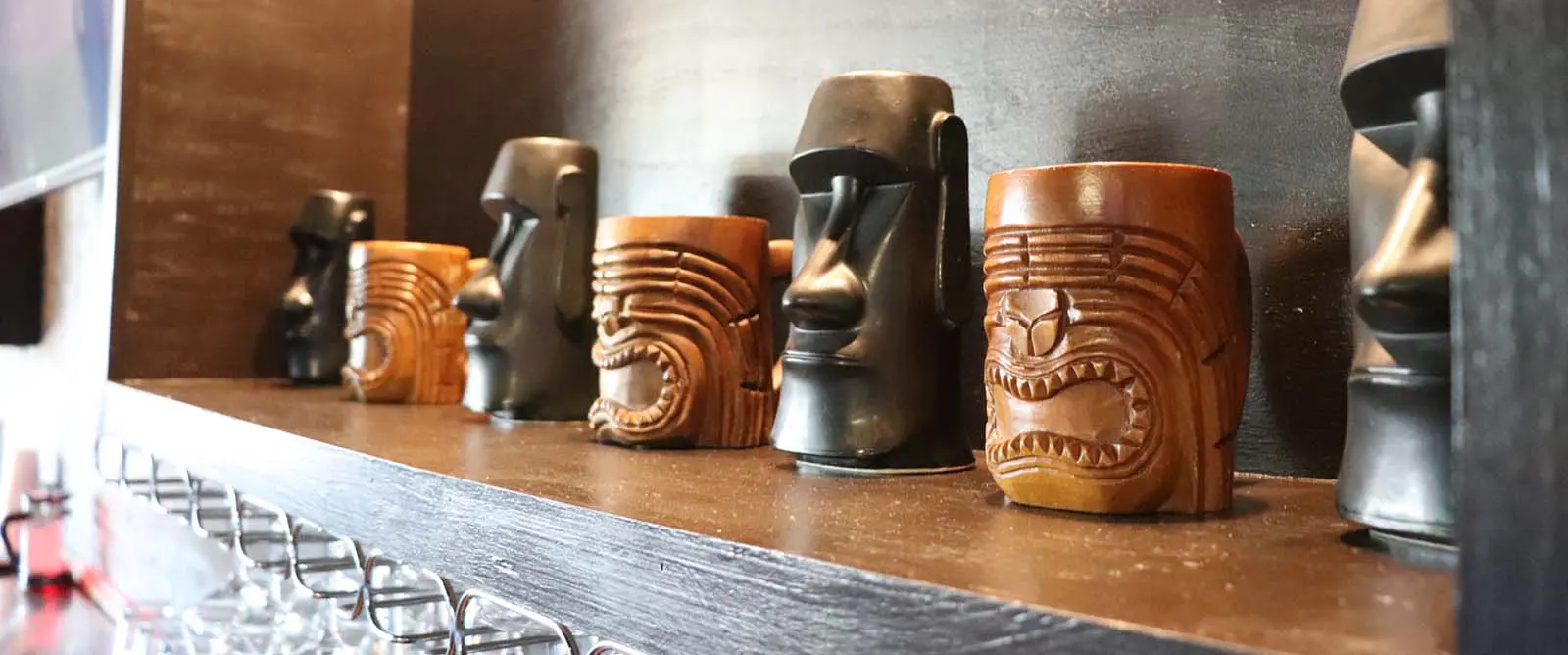
Kava in Fiji Called Yaqona Kava Cups - Ohana Kava Bar

In Fiji, the traditional word for kava is yaqona. 

Fijians are proud of yaqona and consider it their national drink.  If you are lucky enough to be invited to a village kava ceremony, it is considered polite to bring a gift as a token of appreciation to the village elder.

How to Consume Kava in Fiji

The consumption of kava is thoroughly woven into the fabric of Fijian society. 

Nearly every significant rite of passage—whether it is a birth, marriage, or even the resolution of a dispute—is accompanied by copious amounts of kava.  During these ceremonies, kava is prepared on the spot, as Fijians do not bring premade kava.  The kava is pulverized, and water is added during the ceremony, whereupon it is strained through a bag into a bowl called a “tanoa”.  It is customary for the village head or chief to drink the kava first and then everyone else at the ceremony drinks in order of their social ranking.  The village elder will clap his once before consuming the kava and one time after.  

Kava is Spiritual

Kava in Fiji is deeply connected to traditional spiritual beliefs. 

One Fijian legend has it that kava came from the god Degei who wanted to provide human beings with kava to enhance their spiritual wisdom.  According to another legend, kava comes from the island of Tonga, where the first kava plant sprouted from the grave of a Tongan princess who died of a broken heart.

In the distant past, only village elders and chieftains were granted the privilege of drinking this wondrous beverage, but today all segments of Fijian society can partake of it.  Aside from ceremonial consumption, ordinary Fijians drink kava for recreational purposes to relax and socialize more easily.  Many Polynesian cultures have traditionally restricted the use of kava to men, but in Fiji men and women drink kava in equal amounts.

Traditional Kava and Modern Kava Consumption

The use of kava has spread far beyond its traditional cultural homelands. 

Today kava bars can be found everywhere from New York City to Colorado Springs.  The latter city is home to Ohana Kava Bar, with two locations, the newest one on North Academy and Austin Bluffs.  Remnants of the Fijian kava culture can be found here.  The walls are adorned with traditional Polynesian masks.  And when customers clink their kava bowls together, they do not say “cheers”—instead, they say “bula” which is the Fijian word for “to your health”. 

For more information on kava cultures, just ask the owner Matt Clark or one of his knowledgeable kava bartenders, who he affectionately calls “kava slingers”.  

Posted on

Understanding Kava Culture: Vanuatu

Kava Culture - Vanuatu

Have you ever wondered where that shell of kava in your hand originally came from?Kava Culture - Kava Culture - Vanuatu

There is one small island in the South Pacific with a unique culture that can rightfully claim kava as its own: Vanuatu. 

Where Is Vanuatu?

East of Australia sits an archipelago of islands that boasts the greatest number of kava strains. This tiny nation is culturally and linguistically diverse, where, in addition to English, French, and the national tongue Bislama, 113 other native dialects are spoken. 

Vanuatu is an island republic that has had its independence from British and French powers since 1980.  Vanuatu was originally settled by the Lapita people, the forerunners to modern Polynesian cultures.  The Lapita originally discovered and cultivated kava, where it made its way to other Polynesian islands, such as Samoa, Fiji, and many other locations. 

Vanuatu has a three- thousand- year history of using kava for ceremonial and medicinal purposes.  In Vanuatu’s ancient past, only high -ranking men who belonged to secret societies could drink kava for spiritual reasons.

In modern times, kava is traditionally prepared by young boys in Vanuatu in bars called nakamal.

Native Kava Culture: How to Drink Kava in Vanuatu

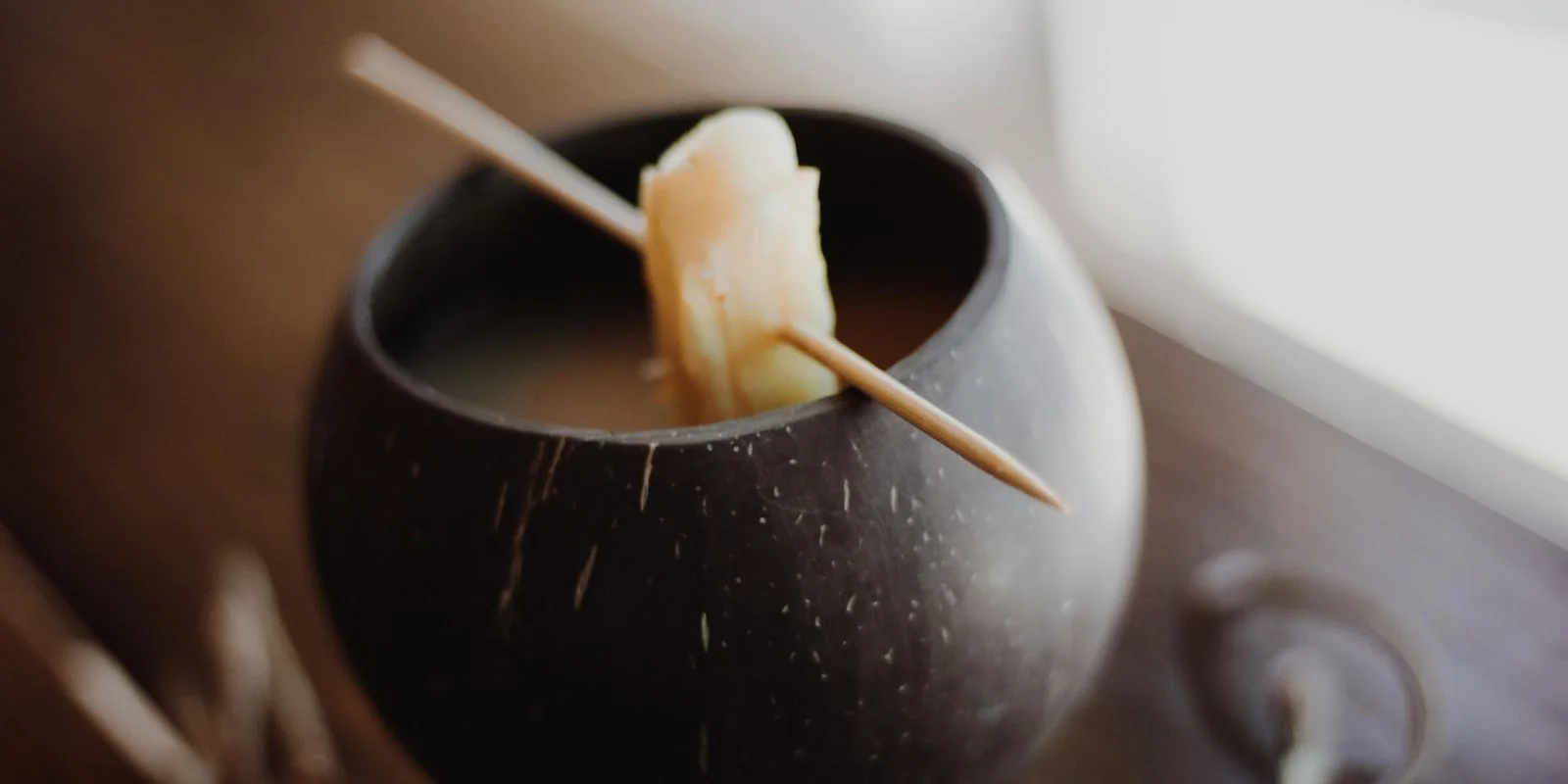
The kava in rural areas is served in empty coconut shells, but in the urban areas glass or plastic bowls are used.  Kava drinkers are expected to down the whole shell in one gulp. 

For Vanuatu natives, it is traditional to spit enthusiastically after drinking kava as an offering to the gods, but locals are not expected to do this.  It was once customary for only men to be able to attend these nakamal, but recently this cultural taboo has relaxed, and all over the islands men and women drink side by side.   

Kava Culture Today in Vanuatu

Kava is extremely popular in Vanuatu as it is considered the national drink and part of the country’s cultural heritage.  For example, in the city of Port Vila, there are over 250 kava bars serving a population of 45,000.  Kava bars here can be identified by the red and green lights hanging outside the door.  It should not be surprising then, that kava consumption in Vanuatu now includes recreational, as well as ceremonial and medicinal use.  

If you cannot make it to Vanuatu in the future, you can experience a taste of it at Ohana Kava Bar, one of Colorado’s original kava establishments.

There is a location downtown near the corner of Boulder and Tejon, and another, newer location on North Academy Boulevard.  The downtown location was founded in 2015 and features authentic Polynesian masks hanging from the walls.

It is a warm, relaxing environment where people from all walks of life are welcome.  If you have any questions about kava or the cultures surrounding it, the owner Matthew Clark will be happy to answer them for you.

Posted on

Kava Kava: About the Pacific Elixir

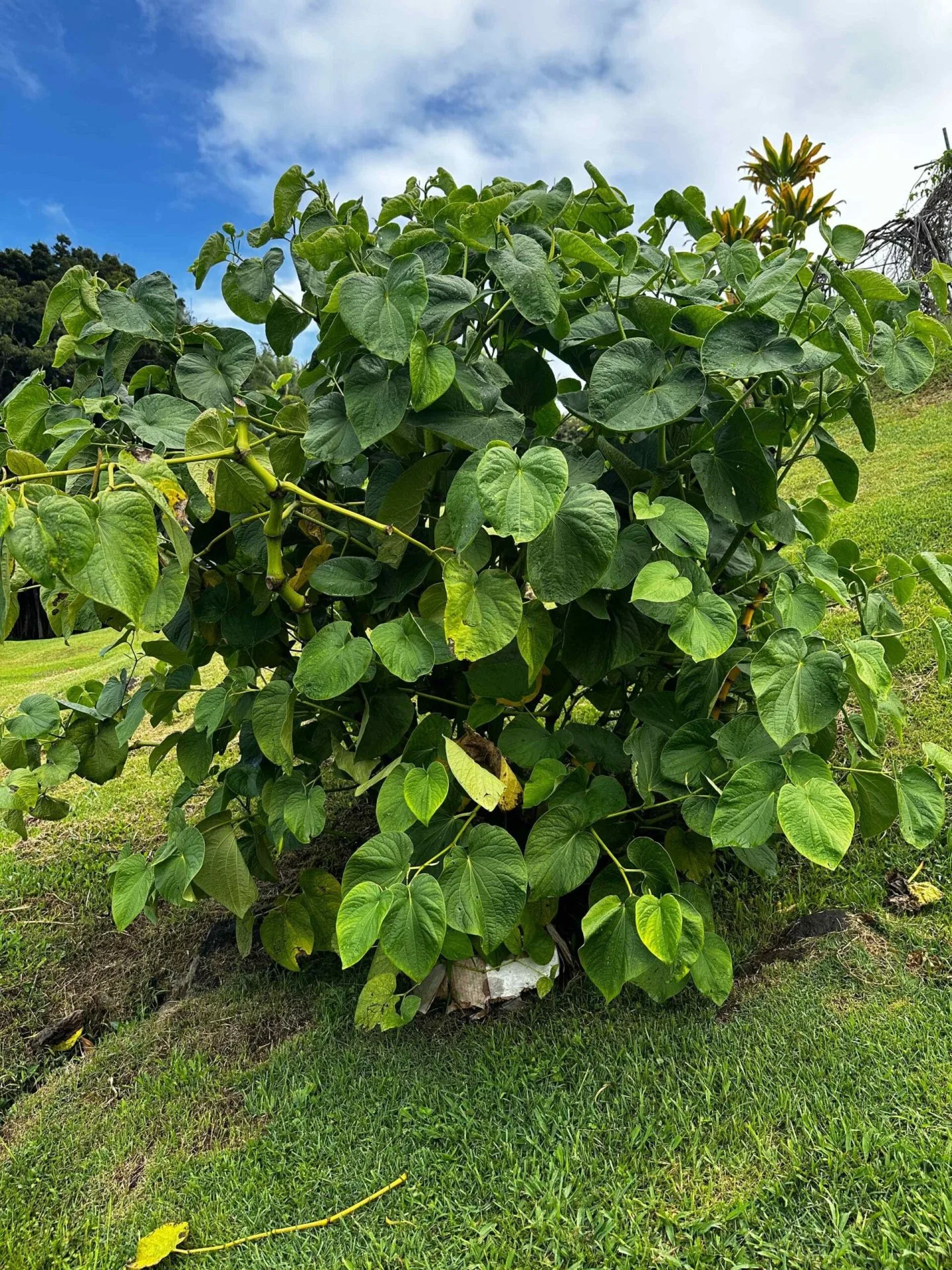
Full Kava Plant

Stressed out?  Kava is like taking a vacation to Fiji in liquid form.

Surf boards and coconuts aren’t the only things that the South Pacific islands export. There is a drink the islanders have used for over three thousand years. This drink takes the edge off anxiety and stress and can be found in special bars all over America. Is it some strange alcoholic brew the islanders have kept a secret?  No, the not so secret drink is Kava piper methysticum. While it is not inebriating or intoxicating live alcohol, but it does promote relaxation and socialization. Read more about the difference between kava products and alcohol here. 

What is Kava Kava?

Kava, comes from the kava plant. It is a tropical shrub that grows virtually everywhere in the South Pacific from Fiji to the Solomon Islands.  Kava is a member of the pepper family. So if you are drinking kava tea at a bar and your mouth and lips become numb, this is a normal reaction due to being in the pepper family. Kava may temporarily reduce cognitive function as it can reduce anxiety, acts as a muscle relaxer, and the effects kava can be sedative, but this can also help improve focus and decision-making. The kava effect differs greatly from that of alcohol, especially considering long term side effects and adverse effects. Kava and alcohol both are known for enhancing socialization and promoting relaxation, however kava offers the relaxation and stress relief without the intoxicating or impairing effects of alcohol, making it a safer and healther alternative for unwinding. 

The secret to kava’s appeal is its relaxing and sedating effects.  The root of kava contains chemicals known as kavalactones.  There are 18 of these kavalactones, but six of them are responsible for 96 percent of the plant’s pharmacological activity.  For example, there is kavain, which is recommended for daytime use because of its heady and euphoric effects.  And then there is dihydrokavain, which is known to be heavily sedating.  Kava aficionados will talk about the chemotype, or the chemical profile of a particular kava strain.  Each kavalactone is assigned a number.  Strains that begin with a 4 or 6 are recommended for daytime use; strains that begin with a 2 or 5, on the other hand, are considered nighttime strains because of their heavily sedating effects. Read more about our kava at Ohana Kava Bar here

Noble Kava vs Tudei Kava

Most kava that is sold today is so-called “noble” kava.  Noble kava strains are better for health than tudei kava, as tudei can cause lethargy and nausea—plus a pretty nasty hangover.  And Tudei kavas contain a kavalactone known as flavokawain B, which can be toxic to the liver.  Tudei kava is rarely cultivated for this reason. The Republic of Vanuatu recently passed a law prohibiting the sale of anything other than noble varieties.

There are over 100 varieties of kava, 80 of which grow in kava’s traditional homeland, Vanuatu. Due to their unique chemotypes, effects can vary from one strain to the next.  For example, Solomon Island strains have a relaxing effect on the body, whereas varieties from Fiji tend to induce euphoria.  Those familiar with marijuana will recognize this as equivalent to the difference between indica and sativa marijuana strains.

Traditions and Rituals

Pacific Islanders have used kava for over three thousand years, for medicinal, religious and recreational purposes.  Each region has a different tradition, ritual, and way of serving kava, but also each is similar to the next in many ways. Lets explore the most popular regions with kava and discover their traditions.

Samoa

Samoans drink kava in traditional religious ceremonies.  A group of people called aumaga prepare the kava beforehand.  Each participant in the ceremony is served by a person called a tatua’ava in the order prescribed by the tufa’ava, the kava distributor.  For example, the visiting party’s chief gets his kava first, followed by the host party’s chief.  Samoan kava ceremonies are like a long ritual, which specific hand gestures and phrases used throughout.

Vanuatu

In Vanuatu, the islanders consume kava at night in clubs called nakamal.  However, at these clubs, you’ll never see a “ladies’ night” event because women are barred from entering.  In the less traditional areas of Vanuatu, some kava establishments allow women to attend.  Preparation varies in different parts of the Vanuatu islands.  In northern and central Vanuatu the kava is ground up, whereas in southern Vanuatu it is chewed up and spit into a container.

Hawaii

Hawaiians drink kava for medicinal, spiritual and recreational purposes and its use is open to both men and women. 

Tonga

Tongans drink kava in clubs called kalapu.  Women are not allowed to consume.  The men are served by a young unmarried woman called a “tou’a” who is given a lot of respect. The tou’a cannot be related to any of the men, and if she is, the man is sent home due to the familial relation with the tou’a.  In the event a female tou’a can not be found, then a man take her place as a tou’a.

Everyone gathered sits on the floor cross legged as the kava is served in two rounds.  The men will talk about everything ranging from politics to sports over coconut shells filled with kava.  They will then sing love songs accompanied by guitar.

Bars in the United States

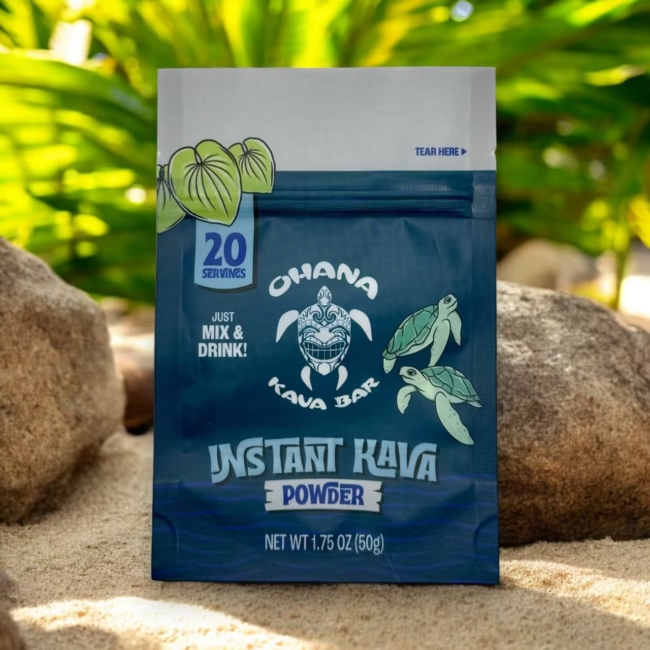
North America’s first kava bar, Nakava, opened in 2000 in south Florida.  There are now dozens of kava bars across the country.  If you are in Colorado Springs, come visit the Ohana Kava Bar.  Ohana means “family” in the Hawaiian language and if you come often enough, it feels as though you are joining a small community.  Ohana features multiple varieties of high-quality noble kava strains, kombucha tea, and noni juice.  It is a viable alternative to the Colorado Springs’ downtown bar scene.  There is also a location on North Academy Boulevard as well, with more locations sure to come soon! Come join us in our relaxing, welcoming enviornment with friendly staff and regulars. Its like an island oasis in the beautiful, but sometimes cold, Colorado Rockies. 


Colorado Springs Downtown Kava Bar
Colorado Springs Kava Bar - North Academy
Posted on

Ohana Kava Opens Second Location on Academy

Ohana Kava Bar - Kava Drinks

Ohana Kava Bar has been slinging delicious Kava drinks and other healthy beverages in Colorado Springs since November 2015. Opening the first Kava Bar in Colorado Springs, our chill vibe and island atmosphere have been attracting customers to our downtown on Boulder Street location for the last few years and we’re ready to expand our community to our new Academy location!

The owner of Ohana Kava Bar, Matthew Clark, is humbled to be opening a second location located at 4337 N Academy Blvd, Suite 100. Our new location has 1,500 square feet, a more spacious bar, and an immersive tropical experience to get your island vibes pumping. The new epoxy flooring actually looks like the ocean!

Clark moved to Colorado Springs in 2008 and left a successful career as a registered nurse to pursue his dream of opening the best kava bar in Colorado Springs. His love of kava and natural herbs inspired him to use the best natural ingredients. Clark has been consuming kava for over 20 years and credits the beverage for all the benefits it’s brought to his life.

Ohana Kava Bar provides an atmospheric nightlife experience to help folks stay sober but social. life. Sourced from the islands of Samoa, Fiji, Hawaii, Solomon Islands, Vanuatu, and Papua New Guinea our kava is only made from the best natural ingredients.

Take a break from everyday stresses and be on island time with Ohana Kava Bar and visit any one of our two locations. Bula!!!